The perils of group “boot camp” classes

Sometimes boot camp exercise classes are really group injury classes.

The dangers of injuries associated with fitness boot camp classes are increasingly becoming more apparent. The popularity surrounding such classes is progressing at an exponential rate and so has the amount of exercise induced injuries I have been seeing. And I don’t believe it is a coincidence. There is an intimate link between boot camp classes and soaring injury levels.

[Read more...]

Can I eat carbs at night?

Should we listen to Hollywood and refrain from eating carbs at night?

Hollywood has been telling us since forever that a low-carb, or even no-carb diet, is the best diet. Is this really the case? Are we just starving ourselves to lose weight or perhaps there is a better time to eat carbs.

The truth is carbs are good for you and we need to eat them in order to maintain a balanced diet. On the other hand, you will put on weight if you eat carbs or any kind of food the wrong way. The old saying goes: Breakfast like a king, lunch like a prince, dine like a pauper. When it comes to consuming carbs at night, definitely eat less and cut out the starchy kind (pasta, rice, bread) after 6pm.

[Read more...]

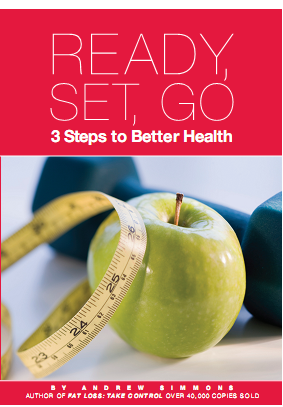
Are you really ready to get results?

While there are more fitness facilities, information resources, health professionals and low fat foods available to us than ever before, our society continues to get fatter and unhealthier. Overweight and obesity rates are climbing at epidemic proportions, which if not stopped, will place enormous economic and health burdens on our future generations.

If you are concerned about your own health or your family’s health and want to lead a long-term healthy lifestyle, this book is for you.

Send an email to admin@visionpt.com.au to order a copy or go pick up a copy at your local Vision Personal Training studio.

Boosting your immune system

Eat immune system enhancing foods to fight off infection

It’s that time of the year when cold and flu symptoms are peaking. Look around the office, at the shop or while commuting and you’re bound to see people coughing and splattering away. If this is something you consider undesirable, why not boost your immune system by eating certain foods? It’s your best bet to fighting spreadable sicknesses.

[Read more...]

My Bodybuilding Preparation Eating Plan

Many people have asked what I ate each day in preparation for the Natural Body Building comp I did in May 2009. It was pretty simple really: the key is to just stick to it.

Black coffee before training each day

Breakfast = 50grams of oats with 6 egg whites and one yolk

Morning Tea =50grams of oats with 2 scoops of Vanilla Vision protein powder

Lunch = 100 grams of grilled chicken breast with mixed salad

Afternoon = 100 grams of grilled chicken with mixed salad

Dinner = 200 grams of chicken / beef or salmon with broccoli, zuchini and beans

Supper = Rice cakes with Natural Peanut butter

8 glasses of water each day.

During the final 8 days leading up to the comp, I also Sodium loaded and depleted.

Saturday              4000mg

Sunday                 5000

Monday               6000

Tuesday               7000

Wednesday        8000

Thursday             8000

Friday                    500

Saturday              500

Sunday                 250

Cut water at midday Saturday (ice cubes only)

I also manipulated my carb intake in the final week leading up as follows:

Monday to Thursday      Normal food intake (do not panic)

Friday – 250g (Oats with water, rice cakes, water based carbs)

Saturday - 300g (Oats with water up til midday, rice cakes after midday)

Sunday - 300g (Dry oats, Honey, peanut butter, banana, rice cakes)

Follow the sodium loading, carb loading and dehydration plan and watch yourself get ripped by Sunday morning!

Are you slowly being killed by trans-fats?

Trans fatty acids are the most harmful fats in the human diet and should be avoided at all costs.

Trans fatty acid (TFAs) is the abbreviated term for unsaturated fat with trans-iomer fatty acids. Basically it is fatty acid coupled with glycerine. And although they are unsaturated, they do not behave like the good fats found in vegetable oils and fish. Rather, they behave similarly to saturated fats in the body and produce similar health effects. Therefore, they are the most harmful type of fat found in the human diet and should be avoided at all costs.

TFAs are contained in both natural and manufactured products. Naturally, you will find them in certain animal products including cheese, butter and meat. Manufactured, or artificial TFAs, occur when liquid vegetable oils are hardened during the industrial processing stages of making margarine, cooking fats and pastry doughs for baking, crackers, biscuits, candies, salad dressings, chips, granola bars, fried foods and more.

What makes TFAs so dangerous is that they increase the amount of bad cholesterol in our blood and can reduce the amount of good cholesterol. Exhibiting harmful levels of bad cholesterol is a key indicator for heart disease and TFAs are also associated with many heart complications. As a result, the World Health Organization (WHO) has set a recommendation of consuming no more than 1 per cent of our daily kilojoules from TFAs. Postponed

Despite the countless health hazards to humans, it is not mandatory for food manufacturers to declare TFAs on product labels. However, manufacturers can provide statistics voluntarily. They are only required to declare TFAs if a nutritious claim regarding saturated, trans fats, cholesterol, polyunsaturated, monounsaturated or omega-3, omega-6 or omega-9 fatty acids is made.

This is quite concerning, considering the only valid use of TFAs for food companies is higher profitability. When vegetable oils are converted to solid fats by adding hydrogen atoms (hydrogenation), the shelf life of foods is extended. Flavour is also enhanced, which means more calories in your mouth. So really, it’s just not worth consuming TFAs in large amounts if they taste good, yet increase the level of plaque build-up in arteries.

What’s more is there has also been research conducted by Harvard School of Public Health which suggests TFAs may raise the risk of acquiring diabetes. That’s why it is important to make smarter diet decisions and choose heart-healthy fats such as avocadoes, nuts, peanut butter and TFA-free margarines. Don’t forget to check the number of calories per serving on product labels and compare saturated fats and TFA information if available.

Fruit for dessert???

Choosing fruit for dessert is a great alternative to its calorie-packed bakery counterpart.

Dessert is one meal sweet tooth’s look forward to the most. And if you’re watching your weight, it doesn’t mean you have to miss out on a little morsel of indulgence. It’s very possible to create yummy deserts from fresh fruit, yoghurts and healthy ingredients which taste good. The advantage being they just aren’t high in calories.

Many dessert foods including cakes, pastries, doughnuts, chocolate and cream-based desserts and ice cream are major calorie culprits. They are often hard to resist and easy to succumb to the temptation; even though we’re well aware that eating highly fatty foods isn’t worth it in the end. They can sabotage your healthy eating intentions and your waistline. Let’s face it: Ice cream is no health food.

That’s why choosing a fruit-based dessert is a far better option. They’re mostly easy to prepare and are great healthy alternatives to the fattening desserts that we know; especially if they have no added sugars or fats. Many really healthy desserts are okay to eat every night and if you’re eating fruit, it’s most likely to count as one serve of your daily recommended fruit intake.

Now if you’re eating out and dessert time has arrived before you know it, don’t go without and watch your friends eat. Instead, be smart. Opt to order a low fat yoghurt topped with fresh fruit salad.

If you’re having fruit-based desserts, ask for it to be served without ice cream or cream which only add a oodles of calories and not much room for nutrients. If you truly are craving ice cream, then that’s okay. Exercise portion control and ask for gelato, vitari or a low fat ice-cream alternative. That way you’re still getting your ice cream fix, just without so many calories. Remember though, that it should be a treat and not consumed every night.

Home time dessert cooking allows you to experiment the most. Many healthy dessert ideas come from raw food desserts. If you add berries into the mix, you will boost your antioxidants. Consider filling crepes with fruit compotes or dipping strawberries into dark chocolate. Another great touch is sprinkling lemon juice and a few drops of Grand Marnier on strawberries to add fresh citrus notes.

Either way, dessert should be enjoyed. It’s okay to eat a small amount of your favourite calorie-food here and there and truly savour it; just don’t eat too much and too often. For even more healthy dessert recipes, watch Vision TV if you’re a Club Vision member to find out more. Bon Appétit!

Are you wearing the right running shoes?

Nothing beats the feeling of wearing a perfectly fit running shoe.

When it’s time to buy a new pair of running shoes, brand, style and colour all matter. But what’s even more important is the actual fit of the shoe. Forget about price. If you focus on bagging a bargain runner on the discount table, then it will most likely lead to an injury. You need to buy the right shoe for your individual foot, regardless if it’s the most expensive or the cheapest as long as support is there.

I don’t blame you if you feel somewhat confused when entering sports stores looking for your ideal shoe. There are so many special high-tech features each running shoe claims to have that you’re left questioning if the feature has any benefit in your life. But if you stick to a few of the following tips, locating your perfect runner will be a much easier task.

[Read more...]

Fruit juice – Stay away from it!

Too much of a good thing will cause imbalance in the body

Too often, we forget that juice is a processed food which contains ingredients beyond rich nutrients. There are many additives and sugars in juice which are quickly released into the blood stream. Therefore, too much is not a good thing and can lead to health problems such as obesity and diabetes.

Excessive juice intake can cause dental cavities to develop from the high sugar levels. It can also cause weight gain, diarrhoea and other gastrointestinal issues like bloating, abdominal pain and excessive gas.

This is why a recent British study at Bangor University in North Wales recommended that fruit juice should not be counted as one of the five pieces of fruit services per day, since it contains too much sugar. Instead, dried fruit should be included in your diet guidelines.

In one particular study, the researchers found that freshly squeezed juice can contain up to five teaspoons of sugar per glass. This is because the squeezing process further concentrates their sweetness. This is a problem when people substitute juice for real fruit and it’s a real mistake. Fruit juice is significantly higher in sugar.

Unfortunately, fruit juices do not always have many vitamins and nutrients, despite having vitamin C. A major issue with drinking too much is that it only fills up your stomach and leaves you feeling content. It’s worry because your appetite is satisfied by sugars and not by a nutritious meal. And although you will consume needed daily calories, it won’t be from good fats or protein, but rather high amounts of carbohydrates and sugars. This can lead to a poor, unbalanced diet and future health problems.

Clearly, it’s possible to have too much of a good thing. People often opt for juice as a healthier alternative to fizzy drinks, energy drinks and flavoured milk. While one standard serving of juice may contain nutrients, you can get then from the whole fruit without the extra energy. Stick to water!

The sugars found is juice are known to affect your weight and hormones when consumed excessively, since the human body stores unnecessary sugar as fat. Eating sugar also increases the insulin in your blood which can be a danger for diabetics. Insulin also causes the body to store fat which can potentially damage artery walls; a catalyst of heart disease. High sugar levels can even cause your immune system trouble by hindering white blood cells from functioning correctly. So the next time you’re craving juice, think!

Weight Training is mandatory for Weight Loss

If your goal is to lose weight, look more toned and improve your health, then weight lifting should be incorporated into your exercise regime. The funny thing is people, mainly women, fear doing weights because they have an assumption that they are going to bulk up and look bigger than they are. They couldn’t be any more wrong!

Weight training is an essential for cutting down on body fat and keeping it off. By doing weights, your body’s metabolism increases throughout the day, so you’re actually continuing to burn off more calories and unwanted fat. It’s also one of the best exercise methods to strengthen ligaments, joints, muscles, tendons and also increase bone density.

Not only will you have a body with low fat composition, but your heart will work efficiently for many years. You will feel healthier, look better and be in a better mood because weights release endorphins. You will even experience stronger sleeping patterns and develop more confidence.

Sure, many of us spend hours a day in front of our computers, driving to work or doing other activities which promote a sedentary lifestyle. We’re feeling overworked, underpaid and ultimately too tired by the time clock off arrives. The thing is, doing weights will give you more energy and prevent you from feeling like this.

If you refrain from moving around, you’re only increasing the risk of heart defects, sexual problems, getting exerted after a little bit of physical activity like walking and you will also exhibit muscle development that is anything but proportioned.

You don’t have to be a professional athlete, bodybuilder or gym junkie to reap the benefits of a weight workout because the average person can do it. It’s important that you are educated, have great form and technique so you don’t do damage to your body with an injury.

Lifting weights incorrectly can lead to fractures, sprains, strains, tears and other painful injuries that can hinder your exercising endeavours. So if you’re not sure about how to get started or what you should be doing, then seek the advice of a personal trainer or fitness specialist who can demonstrate the correct technique and make any adjustments to your work out.

At the end of the day, the most effective way to lose weight is to combine cardio exercise and a balanced diet with weight training. The three disciplines when implemented will work together to achieve optimal results. And unless you eat a certain diet and take a different weight training approach, than you won’t bulk up! Muscle building is an intense process that’s slow for men and even slower for women.